
Cashew Nuts: An Opportunity Niche for Cameroon, Particularly the North
Currently seen as the star of agricultural products, the cashew nut comes from the cashew tree, a perennial plant of the Anacardiaceae family, native to tropical regions.
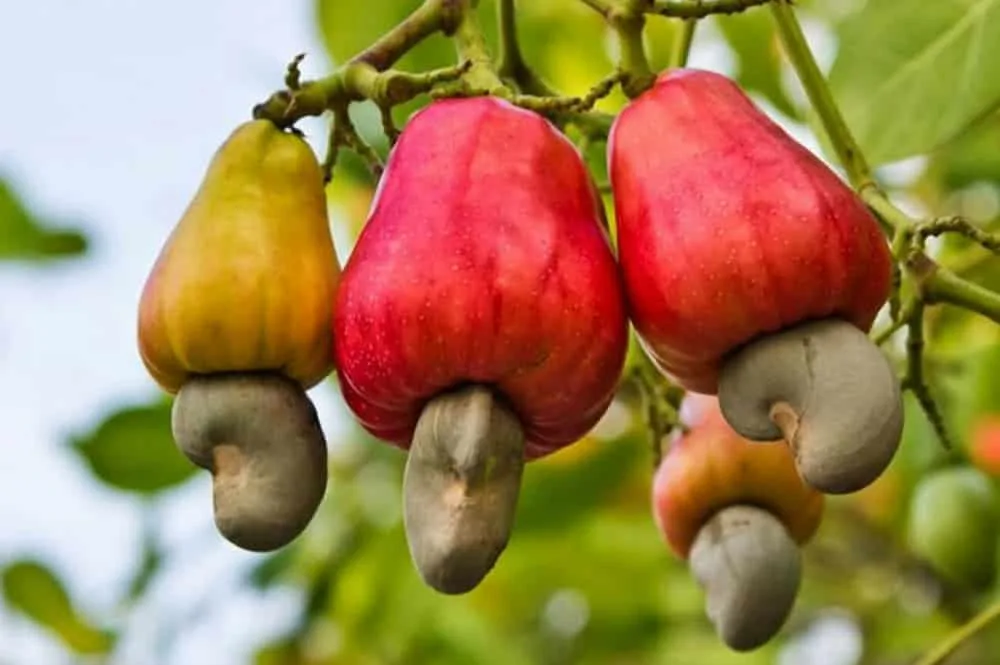
Currently seen as the star of agricultural products, the cashew nut comes from the cashew tree (Anacardium occidentale L.), a perennial plant of the Anacardiaceae family, native to tropical regions, more specifically the coasts of Brazil. In just a few years it has overtaken hazelnuts and pistachios on supermarket shelves, driving up current demand on the world market; the largest world producers being India, Cote d'Ivoire, Benin, and Nigeria, with the largest importer worldwide being Brazil.
Growing cashew nuts
In Africa, several countries have already taken up production of this gem, including Cote d'Ivoire, the continent's leading producer. Thanks to its fast growth, relatively short time to first production (2 years), yields ranging from 500 to 1,200 kg of nuts/ha/year, and lower maintenance and post-harvest handling costs, it stands as a strong candidate among perennial crops to further attract farmers looking to boost their farm income, whether by replacing cocoa or intercropping with it. Moreover, thanks to its benefits against climate warming, especially against the advancing desert (as in Cameroon's northern region), cashew is a good crop choice for hot or arid regions with at least 4 to 7 months of dry season.
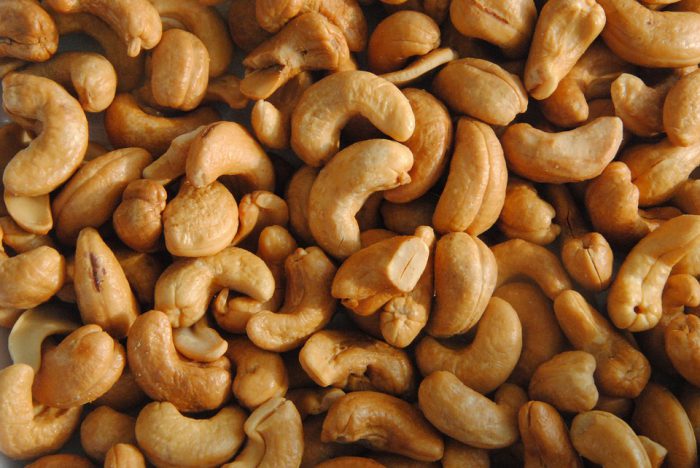
Current situation in Cameroon
It is because of these very attractive advantages that the Cameroonian government launched a 10,000 ha cashew project in the North Region, where farmers' agricultural income still largely depends on cotton growing, not to mention the advancing desert and increasingly problematic presence of degraded land in the area. This project reaffirms the economic opportunity this crop offers, not only for investors but also for Cameroonian farmers in the major cocoa-growing areas, where it can be intercropped with or replace cocoa in old plantations, or be grown as a pure stand.

Comments (0)
No comments yet. Share your experience or ask your question.