
Growing Pigeon Pea, a Marvel for the Agricultural World
A gift from God or pure chance; few plants have ever been as complete as the pigeon pea, also called Congo pea, whose scientific name is Cajanus cajan (L) Millsp and which belongs to the Fabaceae family...
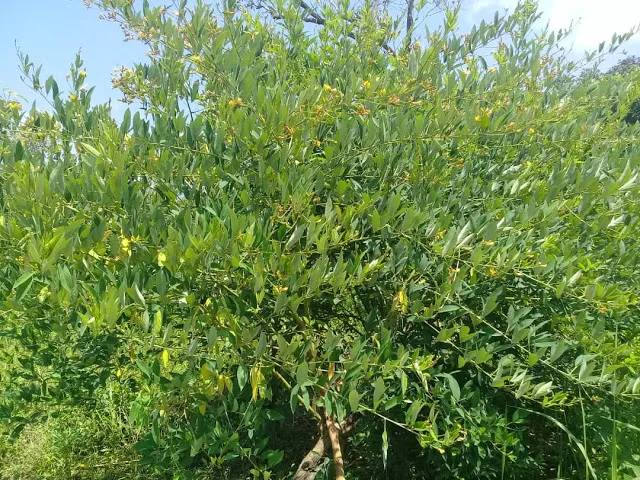
A gift from God or pure chance; few plants have ever been as complete as the pigeon pea, also called Congo pea, whose scientific name is Cajanus cajan (L) Millsp and which belongs to the Fabaceae family. It is a semi-perennial, upright-growing shrubby plant that can reach 4m in height. Although most scientists attribute its origin to India, the many wild varieties that have grown on the African continent suggest there may be a second point of origin. Global production stands at more than 3.1 million t/year across 4.3 million ha, with India as the world's leading producer at 2.5 MT across 3.4 million ha (FAO 1999-2003). On the African continent, several countries stand out as models, namely Malawi, Uganda, Kenya, Mozambique, and Tanzania.
Reasons to grow pigeon pea
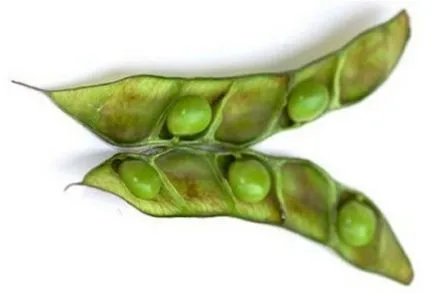
This legendary plant, with a yield of 3 to 4 t/ha/year, has very varied advantages and applications for the agricultural world. It is grown mainly for its seeds, which have great market value, since thanks to their high protein content they could effectively replace soybean (whose production cost is higher and yield lower than pigeon pea) in animal feed, and can be used in many food products. But what makes it even more interesting is its ability to regenerate degraded land (thanks to its ability to adapt to such environments, fix more than 40 kg N/ha/year, and produce abundant biomass), how easily it can be intercropped with a wide range of plants whose yields it would significantly increase, and its leaves, which are used as fodder during dry periods. ALSO SEE: Growing guide for pigeon pea
Growing pigeon pea in Cameroon
Currently being promoted in Cameroon by the GIC GRADIC and CAPEF, it represents a wealth of economic opportunity for the food sector (production of flour, porridge, animal feed, etc.), and above all a very important way to considerably reduce the cost of soybean imports into our country.

Comments (0)
No comments yet. Share your experience or ask your question.