
Soil Fertility: How to Improve Poor Agricultural Soils
Certain types of agricultural soils have specific fertility problems but can be improved. These soils are often shown on soil maps.
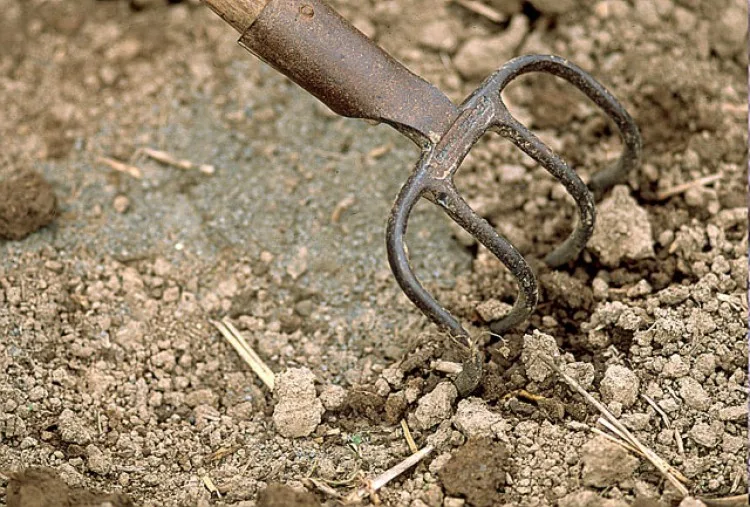
Certain types of agricultural soils have specific fertility problems but can be improved. These soils are often shown on soil maps. Only such a map can tell you whether you're dealing with a soil of this kind - don't try to figure this out yourself. The problem soils covered here are: acidic soils, acid sulfate soils, saline soils, and poorly drained soils.
Acidic soils
In acidic soils (pH below 5), low yields can be caused by reduced availability of phosphate, calcium, or magnesium. Phosphate in particular becomes poorly available for plant growth, since at low soil pH it forms poorly soluble compounds with iron and aluminum. This is because aluminum solubility increases as pH decreases. Plants then take up larger amounts of these metals, which can have toxic effects. In addition, low pH makes soil organisms less active. Certain bacteria are able to fix nitrogen from the air and convert it into a form usable by plants. These bacteria often live in symbiosis with certain plants, such as legumes (beans, soybeans, and groundnuts). If the pH is low, these bacteria are less active and fix less nitrogen.
Acidic soils are improved by liming: the pH rises and nutrients become more available for plant growth. The lime should be finely ground and carefully spread over the field. It is then worked into the topsoil. The amount of lime needed can only be calculated if soil tests have been done. Generally, the test results report will indicate the amount of lime to apply. If a large amount of lime is needed (more than 8 t/ha), it's recommended to apply half before plowing and the other half after. Such an application is usually too costly to be worthwhile. Most of the time, tonnes of lime would be needed. Improvement is therefore often financially out of reach.
Acid sulfate soils
These soils are found in coastal areas: their pH is very low (below 3) when drained. They are also often saline. The best way to use these soils is not to drain them, and to grow rice on them instead. By keeping (or placing) these soils under water, the pH rises and aluminum toxicity disappears. Poorly drained wet soils raise their own specific problems, which we'll come back to further on. It's best not to use these soils.
Saline soils
These soils are generally unsuitable for farming, since their salt content and pH are often too high. Even so, it's often possible to grow salt-tolerant plants on them. Improving these soils is usually very difficult and can hardly be done without a specialist's help.
The basic solution to this problem is leaching out the soluble salt, which is far from always possible due to a lack of suitable fresh water. In addition, leaching lowers the pH.
Poorly drained soils
If the water table is high, soils are often poorly drained and have properties that are harmful to plant growth. First, the soil structure is very sensitive to disturbance. Second, the general lack of oxygen in the soil prevents almost all life underground. In addition, manganese and iron are often poorly available for plant growth, or appear at toxic concentrations. The general solution to this kind of problem is drainage, which can be done using ditches or drains. Rice is a plant very well suited to poorly drained soils. Growing it on such soils poses no problem.

Comments (0)
No comments yet. Share your experience or ask your question.