
Erosion-Control Development Methods in Agriculture
Erosion-control developments involve planting live hedges of Ipomoea fistulosa or other plants with similar properties to hold banks and limit erosion.
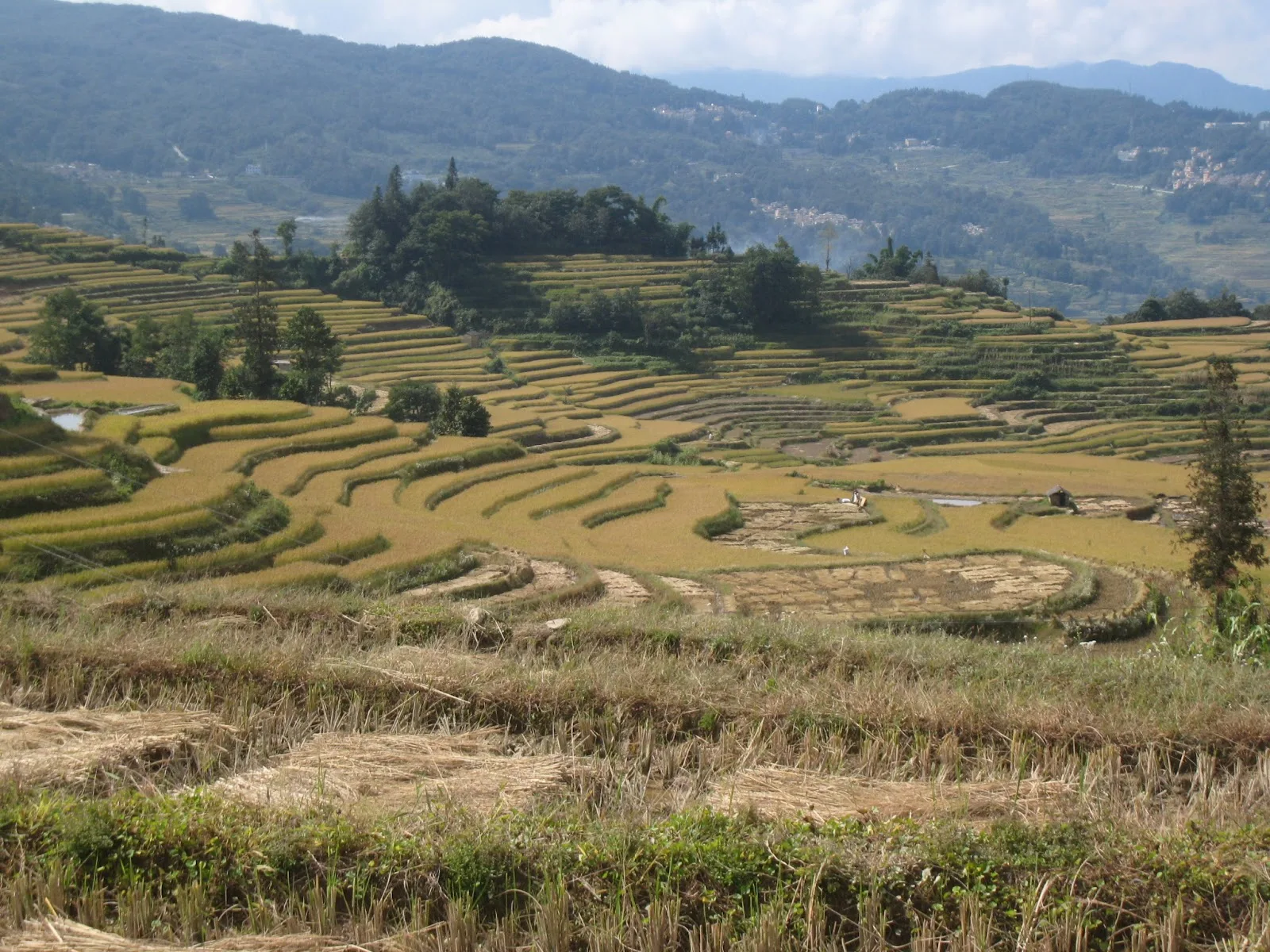
Erosion-control developments involve planting live hedges of Ipomoea fistulosa, or other plants with similar properties, propagated from cuttings, to hold the banks of channels and limit erosion. This technique is used in Mowo, in the Mayo-Tsanaga department. Plugs made from jujube tree prunings help slow water flow. In addition, techniques using staggered nutgrass (Cyperus) ridges, supplemented with small paddy-like catch basins placed along water pathways at the start of the foothills, also help reduce erosion.
Controlling erosion in agriculture
In Burkina Faso, soil and water conservation techniques based on the combined effects of stone bunds, alternating with grass strips, together with soil amendments, were studied by Zougmore (2003). This study found that stone bunds reduced runoff by 10% compared with grass strips when combined with compost application, by 28% when combined with urea application, and by 19% when the stone bunds or grass strips were installed with no fertilizer applied at all (Zougmore, 2003).
As an alternative or complementary approach, herbaceous legumes can help improve soil conditions. Indeed, legumes have been used to improve soil fertility under grazing and in crop rotations (Mvondo-Awono, 1997).
Would you like to invest in agriculture? Don't hesitate to contact us. We offer support services to help you carry out your agricultural projects.

Comments (0)
No comments yet. Share your experience or ask your question.