
Growing Coffee in Cameroon: An Industry Worth Saving
For decades in Cameroon, coffee has been a proven cash crop that continues on, despite production areas shrinking to make way for food crops.
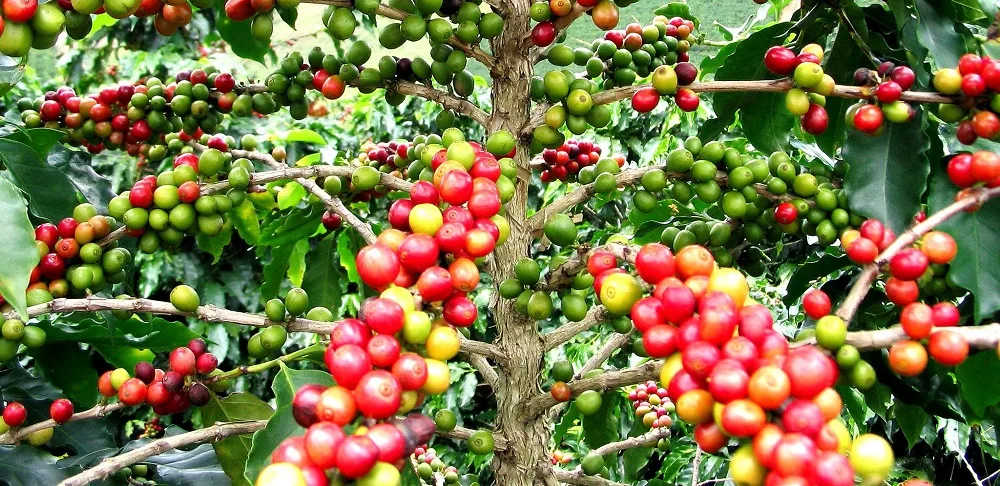
For decades in Cameroon, coffee has been a proven cash crop that continues on, despite the number of production areas shrinking to make way for food crops such as cassava, to name just one. There are two types of coffee grown in Cameroon, namely Arabica and Robusta, with different market prices and different technical growing requirements.
Coffee Growing: Arabica and Robusta, the Two Coffee Varieties Grown in Cameroon
Arabica is a demanding small tree that ideally only grows at altitudes between 1,300 and 1,800 m, at a temperature of 20 degrees C, and in soil rich in minerals. This is why it remains best suited to high-altitude areas (the Western Highlands); Arabica is very susceptible to pest and disease attacks, and more than one plantation has already been wiped out by rust, this extremely harmful little fungus. But Arabica remains the world's favorite coffee, and enthusiasts are willing to spend a fortune to keep enjoying it. ALSO SEE: Investing in White Pepper Growing in Cameroon
The secret to Arabica's success is that it's more flavorful and aromatic. Its low caffeine content reassures and appeals to consumers, who are guaranteed a healthy, delicious product for everyday use. Even though Arabica costs more than Robusta due to its costly production, people keep asking for more, and this trend isn't likely to reverse anytime soon.
Robusta refers first to the small coffee tree that mainly grows at low altitude, but also to the coffee produced from it and sold under the same name. The huge advantage of this variety is that it requires no special care while growing. Naturally more resistant to pests and fungi than Arabica, Robusta gives producers a higher yield. However, consumers are somewhat less keen on it because of its caffeine content, which can reach up to 4.5%, giving it a strong, bitter taste. It's often only sold blended, or as a base for espresso.
Would you like to invest in agriculture? Don't hesitate to contact us. We offer support services to help you carry out your agricultural projects.

Comments (0)
No comments yet. Share your experience or ask your question.