
Producing 50t/ha of Sugarcane Using Sesbania rostrata
Sugarcane quickly became an important cash crop. But yields are low, at 35t/ha. This shortfall is mainly attributed to the high cost of mineral fertilizers, which puts them out of reach for low-income farmers.
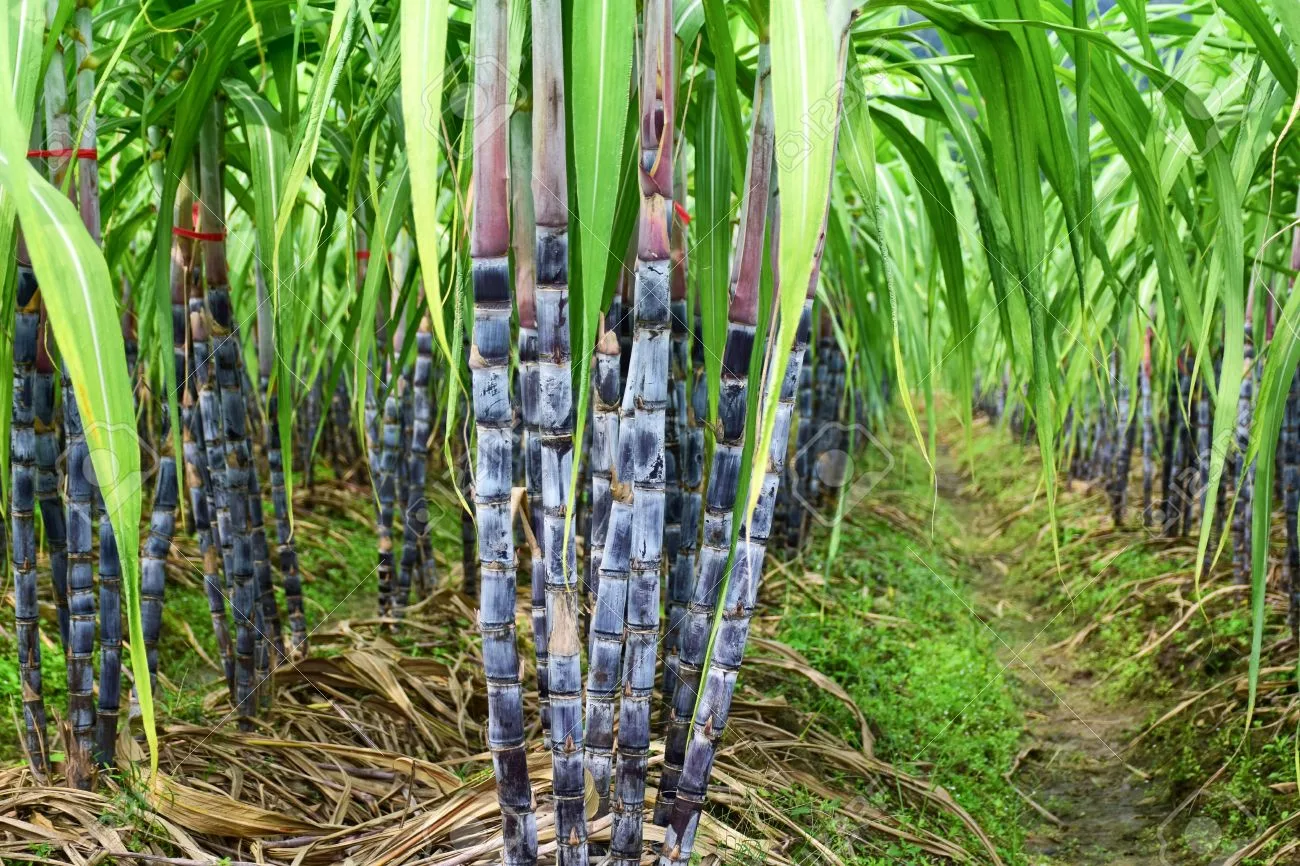
Sugarcane quickly became an important cash crop. But yields remain low, at 35t/ha. This shortfall is mainly attributed to the high cost of mineral fertilizers, which puts them out of reach for low-income farmers. NCRI therefore turned to an organic fertilizer, Sesbania rostrata, a plant able to supply sugarcane with between 47-68 kg of nitrogen per hectare.
Practical explanation:
To do this, sugarcane is planted about a month before the Sesbania rostrata, on ridges spaced 1.5m apart, to avoid competition between the two species. Then, between these ridges, Sesbania rostrata is sown in furrow rows spaced 0.75m apart. Six weeks after this planting, 10t/ha of Sesbania rostrata will have been sown.
The Sesbania rostrata plants are then dug up, spread along both sides of each ridge, and later covered with sand to encourage decomposition. As expected, yields rose from 23.5 t/ha (unfertilized crop) to 50t/ha.

Comments (0)
No comments yet. Share your experience or ask your question.