
Extensive Livestock Farming: Small-Scale Operations That Can Pay Off Big
Lack of land but a need for animal protein: many farmers know this situation well. Protein shortfalls are partly made up for by hunting small animal species.
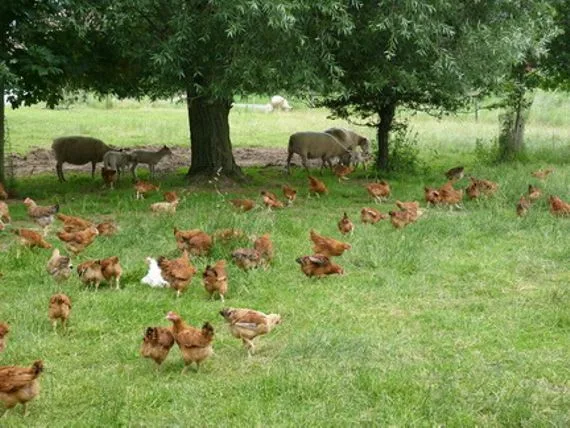
Lack of land but a need for animal protein: many farmers know this situation well. Protein shortfalls are partly made up for by hunting small animal species or, occasionally, raising them. So why not scale up and intensify these small-scale operations? Here are a few interesting avenues.
The extensive farming system
Most animal products (meat, milk, hides, and fiber) come from extensive grazing, and sometimes from grazing on fallow land once harvests are done. Grazing animals can also be raised in enclosures and fed through a supplementary feeding system. However, large ruminants need large amounts of forage (Brachiaria, Stylosanthes, Pennisetum, Panicum maximum) that the poorest farmers often cannot provide - nor can they always provide water, which is a scarce resource.
Pigs can be fed household scraps to good effect. However, sturdy fencing or wire mesh should be planned to limit roaming, which can lead to agro-pastoral conflicts. In addition, their droppings have a strong odor that attracts flies, and in some countries raising them is limited by religious restrictions.
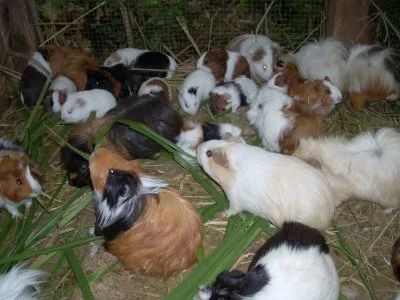
However, other alternative types of livestock farming exist, namely: raising guinea pigs, rabbits, pigeons, grasscutters, and bees for honey production (beekeeping), as well as snail farming and silkworm farming, all of which represent potential sources of income for smallholder farmers.
Would you like to invest in agriculture? Don't hesitate to contact us. We offer support services to help you carry out your agricultural projects.

Comments (0)
No comments yet. Share your experience or ask your question.