
Growing Guide: Growing Watermelon the Right Way
A plant native to tropical Africa, Citrullus lanatus, commonly called watermelon, is an annual plant in the cucurbit family, like cucumber, melon, and squash. It is grown for its fruit...
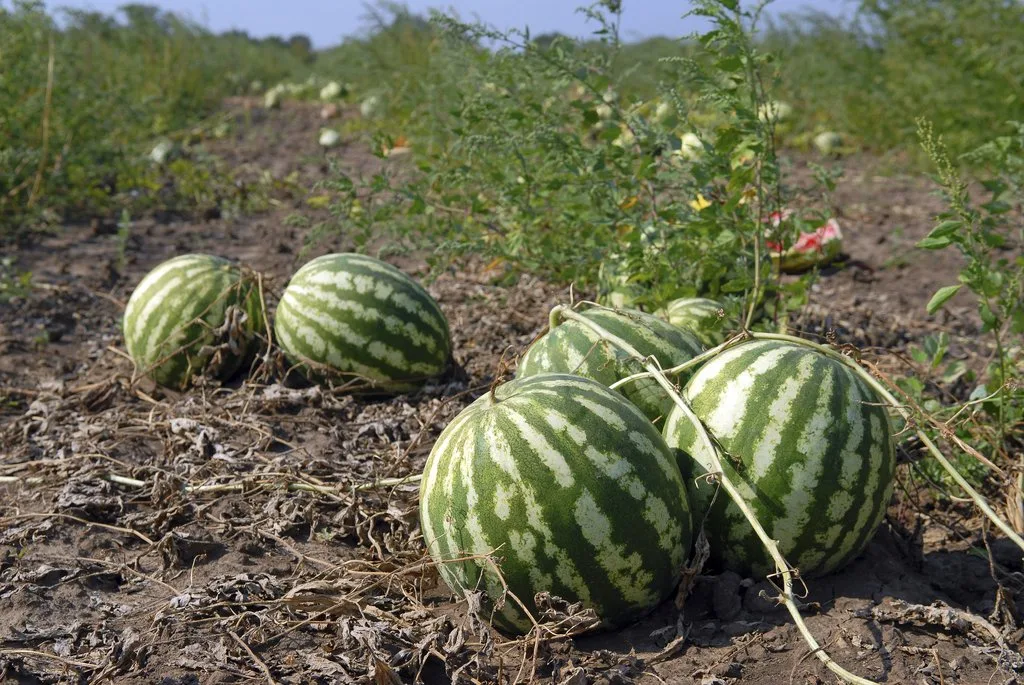
A plant native to tropical Africa, Citrullus lanatus, commonly called watermelon, is an annual plant in the cucurbit family, like cucumber, melon, and squash. It is grown for its fruit, which has high nutritional value. The watermelon growing cycle lasts around 3 to 4 months.
The fruit is rich in water, vitamins B1, B2, A, C, biotin, and mineral salts. It also has medicinal properties. Its refreshing flavor and sweet taste make watermelon a highly prized fruit on the market.
Growing watermelon in Cameroon and everywhere else is highly sought after by farmers and by certain investors looking to invest in this agricultural venture. How do you succeed at growing watermelon? The answer to that question is found in this growing guide we've put together for you.
Favorable conditions for growing watermelon
Watermelon is very demanding when it comes to light and heat. It's also very demanding in terms of fertilizer, especially potash. It's not very demanding regarding soil, but the land must be well composted and drained so that the soil stays consistently moist. On the other hand, it doesn't like temperatures that are too cool, and altitudes above 1,300 m don't suit it very well either.
The plant is made up of 93% water, so it's a plant that loves water, but watering must be controlled so the plant produces large fruit.
Growing process
1. Soil preparation
This should begin shortly before the first rains start. In forested regions, the first growing season runs from February to March, and the second from July to August. In Sahelian regions, it will take place between April and May.
Not all plots are suited to growing watermelon, so it's important to choose your land carefully. Watermelon doesn't like flooded soil, so the land should have a slight slope during the rainy season. In the dry season, plots should be close to a water source.
Soil preparation involves:
- Systematically clearing and felling all plant cover, since watermelon doesn't like shade
- Storing easily degradable plant debris, which will be used for mulching; the rest will be burned
- Marking out the plot with a spacing of 2 m x 1 m, giving around 400 plants/1000m2.
- Digging a hole at each marker, about 60 cm in diameter and 40 cm deep
- Keeping the topsoil separate from the subsoil
- Then mixing the topsoil with black soil and base fertilizer (chicken droppings, compost) at a rate of 3 to 4 kg per hole;
- Then filling each hole with this mixture up to about 2 cm from the top;
- Watering each hole until it's saturated.
2. Choosing varieties
Watermelon varieties should be selected based on disease resistance, resistance to transport, and firm, sweet flesh.
3. Sowing
Sowing can be done directly or after starting seedlings in a nursery.
Direct sowing
- Soak the seed in water overnight; however, sowing must be done immediately the next day in moistened soil;
- Sow 3 to 4 seeds in each hole, keeping a spacing of 10 cm between them and a depth of 2 cm. Plan for around 70g of seed per 1000m2.
- Lightly pack down the soil.
Nursery sowing
- Set up a half-covered shade structure with a raised support where the seedlings will be placed (which helps avoid contamination from soil-borne diseases);
- Mix the soil with manure;
- Mark out sowing rows spaced 15 cm apart and sow seeds spaced 10 cm apart at a depth of 3 cm;
- Water regularly
- Once seedlings emerge, apply a clean fertilizer rich in phosphorus to encourage root development;
- Treat if necessary;
- Prepare the soil 10 days before transplanting, as with direct sowing;
- Transplant at the 2-3 leaf stage, carrying the seedlings with a soil clump to place them in the prepared holes. Choose the most vigorous seedlings;
- Plant 2 to 3 seedlings per hole.
ALSO SEE: Growing guide for successfully growing chili peppers
4. Crop monitoring
4.1. Watering
This begins right after planting. Keep in mind that the more the plant grows, the more water it needs. Watering should be regular, 1 to 2 times a day, in the morning and/or evening, and applied around the plant. The amount of water depends on the plant's growth stage and weather conditions. Large amounts of water should be applied while the fruit is filling out, and reduced as it ripens (about 15 days before harvest) to prevent the fruit from splitting and to help it build up sugar. Watering also depends on the season. After 4 weeks in the dry season, more than one liter of water per plant per day is needed.
Note: Avoid wetting the leaves when watering.
4.2. Thinning
2 to 4 weeks after sowing, thin the seedlings, leaving only two plants per hole, the sturdiest ones of course. Let the plants grow a bit more before doing the final thinning. Replace weak or missing plants in empty holes by taking plants from holes that did better, or from the nursery.
4.3. Fertilization
Fertilizer should be applied around the plant.
Note:
- 1 level teaspoon = 5g
- 1 level tablespoon = 10g
- Potassium chloride is not mandatory.
Application period
Fertilizer type
Quantity / ha
Quantity / hole
4.4. Plant protection treatment
Plants need to be protected before they're attacked. The first treatment is applied on the third day after emergence, after which treatment is applied at least once a month. For each treatment, mix an insecticide and a fungicide in a 15L sprayer of water.
At 4 weeks old, at least one 15L sprayer is needed to treat a plot of 400 to 500 m2.
If treating during the rainy season, add two well-heaped tablespoons of extra sticking agent to the sprayer.
Treatments should be alternated to prevent diseases from developing resistance.
Managing the previous crop is an effective way to prevent disease. Before planting, make sure the last crop grown on the plot wasn't a nightshade (chili pepper, tomato, potatoes, etc.)
Certain farming practices are recommended. You should:
- Remove diseased plants;
- Practice crop rotation;
- Water at the base of the plants, not on the leaves.
Treatments must be stopped at least 7 days before harvesting the first fruit to avoid poisoning.
Note: If heavy rain falls after a treatment, the treatment should be repeated.
5. Maintenance: Growing watermelon
- Hoe a few days after the seedlings emerge, turning the soil for light hilling. Also hoe after each watering or fertilizer application.
- Regularly remove weeds by hand in and around the plot. Example herbicides: Diuron, Roundup
- Mulch the soil, avoiding the planting holes as much as possible
- Prune 11 weeks after sowing. It's not mandatory, but if you want large fruit, it should be done. To prune, pinch the branch to be trimmed at the 3rd or 4th leaf after the fruit.
6. Harvesting watermelon
Harvest watermelons at least 30 days after fruit set. Watermelon ripeness can also be seen from the drying of the stem, a yellowing of the underside of the watermelon, and a dull sound when tapped.
Harvesting is done once a week and can be spread out over 1 month. Only mature fruit should be harvested. Yields per hectare range from 40 to 50 tonnes depending on the variety.
Would you like to invest in agriculture? Don't hesitate to contact us. We offer support services to help you carry out your agricultural projects.

Comments (0)
No comments yet. Share your experience or ask your question.