
Forage Production: A Solution to Boost Livestock Farming
Animals can be entirely free-ranging within a large area, enclosed or not. In some cases, animals spontaneously return each day to the watering point or their shelter.
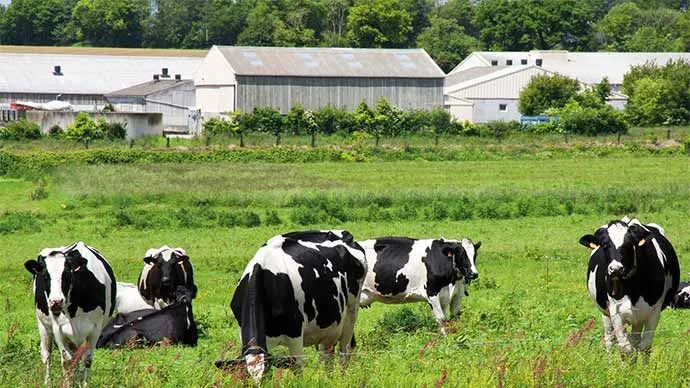
Animals can be entirely free-ranging within a large area, enclosed or not. In some cases, animals spontaneously return each day to the watering point, their shelter, or where they know they'll find salt blocks and where milking takes place. The decline in herding observed today in some areas sometimes comes with serious drawbacks: loss of animals and more frequent accidents, especially among the young, the spread of parasitic diseases, predation, and theft.
Why set up a forage range for livestock
Modern forms of pastoralism are sometimes marked by an increase in fencing, which considerably reduces animals' freedom of movement and worsens management mistakes. Indeed, managing grazing land is a compromise between seeking maximum benefit for the animal and the need to protect the environment or respect the land allocated to the herder by law or agreement. Land maintenance must avoid both overgrazing and underuse, which encourages overly intense and repeated fires, or the encroachment of trees on pastures that were once forest. In both cases, the goal is to preserve the land's productive potential and the quality of the feed it offers - and even to improve them through the choice of grazing methods.
Experience shows that herders have rarely avoided the pitfall of overgrazing, and that a growing herd often results in excessive use of grazing land. The land is then depleted to the point where a single bad season is enough to decimate the herd.
Establishing forage species or plants for livestock
One solution to this is establishing forage ranges (forage production) in order to produce good-quality feed and combat both undernourishment and agro-pastoral conflicts; species such as Brachiaria ruziziensis, Panicum maximum, Tripsacum laxum stand out as solutions for producing the large amounts of biomass needed to achieve targeted live-weight gains and milk yields in cattle, sheep, goats, and horses.

Comments (0)
No comments yet. Share your experience or ask your question.