
Making Natural Fruit Juices
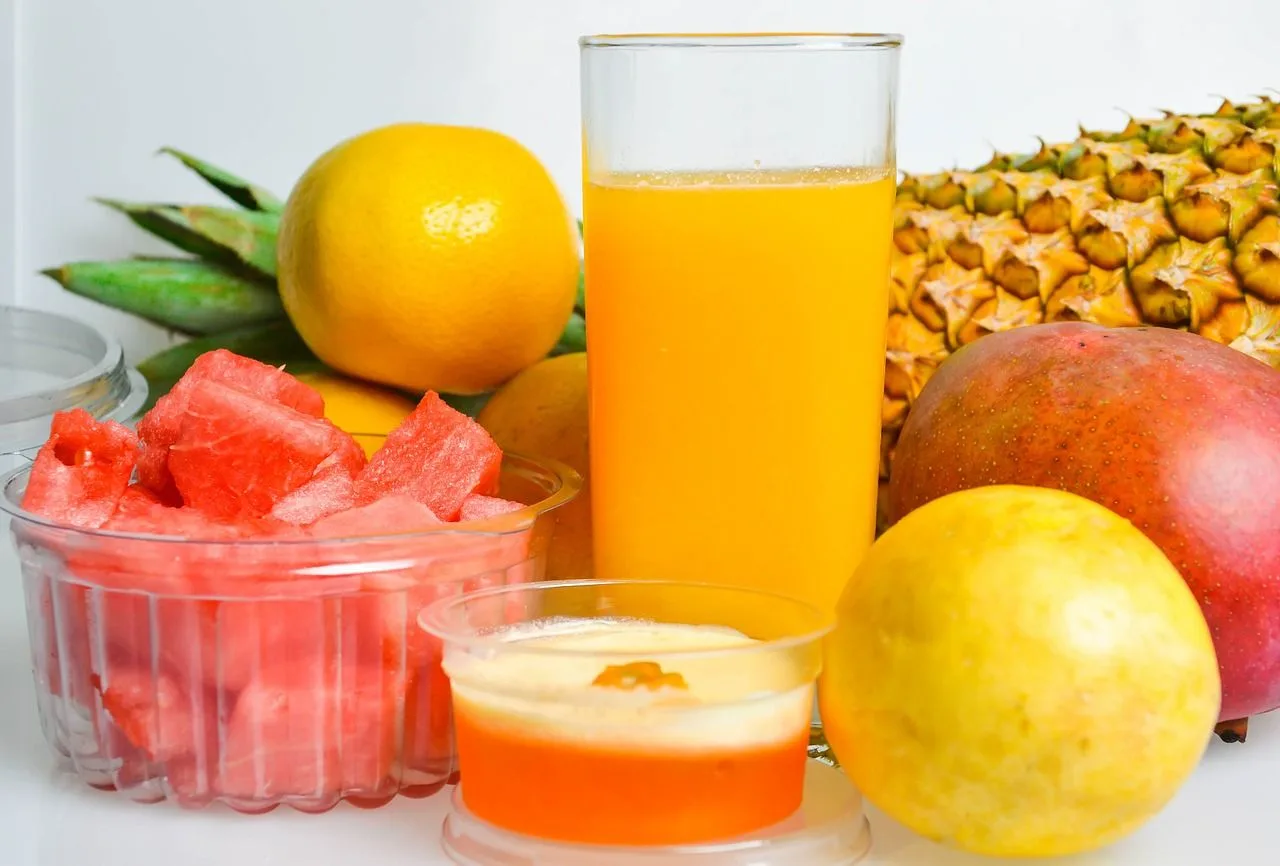
Fruit juice is a beverage made from fruit. The fruit juice market in Cameroon and elsewhere is quite popular among consumers.
Contents 7
Fruit juice is a beverage made from fruit. The fruit juice market in Cameroon and elsewhere is quite popular among consumers. There are three main product categories: pure fruit juices, juices made from concentrate, and nectars. All these fruit juices are made from fruit juice, the only difference being their fruit content and manufacturing process, which vary from one product to another.
The main steps involved in producing fruit juice are:
Extracting the natural juice:
This is done using a machine called an extractor. Extractors vary depending on the type of fruit.
Clarification:
Pressed juice from most fruits contains small amounts of suspended pulp, which are settled out or removed. Juice can be filtered using fine filters or high-speed centrifuges.
Deaeration:
Orange juice, or juices in general, contain air bubbles. These bubbles are removed by spraying the juice into a vacuum aerator, which minimizes loss of vitamin C and other changes caused by oxidation.
Pasteurization:
The juice is pasteurized to slow microbial growth and deactivate enzymes.
Concentration:
All natural juices have a low solids concentration, and are sometimes also heavily concentrated. Low-temperature evaporators are generally used to preserve as much flavor as possible. However, dehydration is accompanied by the evaporation of essential volatile compounds from the juice. The concentrated juice is then frozen.
Market study, Natural Fruit Juices in Cameroon and Worldwide: Why and How to Get Started?
Nutritional value of fruit juices
Fruit juices are excellent sources of vitamins A and C. Orange, guava, lemon, and grapefruit are rich in vitamin C. Papaya and mango are sources of vitamin A. They also contain some vitamin C. All these vitamins are very sensitive to heat, light, and oxygen. So during processing and packaging, excessive exposure to heat, light, and oxygen should be avoided.
Essence recovery
During concentration, some volatile essences evaporate. The water vapor leaving the evaporator is distilled to collect these essences. The essences are then added back into the concentrated juice.
Using by-products from fruit juice processing
Fruit pulp can be used to make jam. Jam is obtained by heating the pulp and water. The pectin in the pulp dissolves into the water. The resulting solution is filtered, sugar and an acid (citric acid, for example) are added, and it's then evaporated by heating. Cooling the mixture produces jam (pectin has the property of becoming sticky/gelling).
Tubers
Example: Cassava
Tubers (yams, macabo, sweet potato, potatoes, cassava, etc.) are a major calorie source for many tropical countries in Africa, Asia, and Latin America.
The two main cassava varieties are:
- the sweet variety: Manihot dulcis;
- the bitter variety: Manihot utilissima
Cassava tubers contain a toxic substance called hydrocyanic acid (HCN, hydrogen cyanide), which is thought to contribute to goiter. However, processing methods such as drying reduce the amount of hydrocyanic acid in cassava.
Cassava is mainly made up of water and carbohydrates in the form of starch.
- 60 to 75% water;
- 20 to 30% starch.
Would you like to invest in agriculture? Don't hesitate to contact us. We offer support services to help you carry out your agricultural projects.

Comments (0)
No comments yet. Share your experience or ask your question.