
Mulching in Agriculture Using Millet Stalks
Soil conservation, erosion control, organic fertilization/rainfed crops.
Contents 7
Areas
Soil conservation, erosion control, organic fertilization/rainfed crops.
Objectives
Protecting the soil surface against wind and/or water erosion. Combating soil depletion by recycling the mineral elements contained in the stalks. Maintaining the soil's organic matter content.
Description
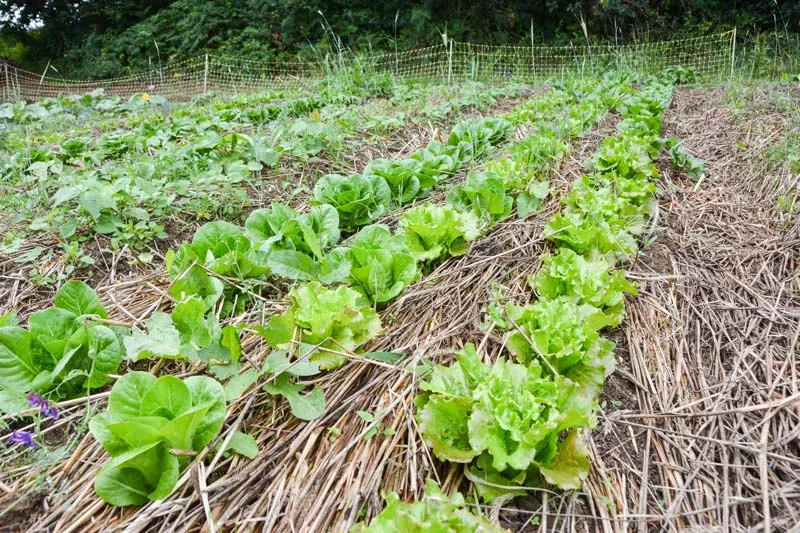
The optimal rate for a noticeable mulching effect is 1.5 to 2 t/ha (i.e. 2 to 3 stalks/m2, or 150 to 200 g of stalk/m2). This corresponds to the amount of straw produced for a grain yield of 400-500 kg/ha (roughly 25-35 bundles/ha). The stalks should be laid down on the soil as soon as possible after harvest, and millet stubble left in place for as long as possible. After the ears are threshed, the rachis (cob cores) can be used to supplement the mulch.
Performance
Yield increases of 50% or more are frequently observed at research stations with mulching compared to unmulched plots. In one station trial, the yield increase in millet due to mulching averaged 90% over 10 years, from recycling the entire straw output each year.
Area of application
Sahelian zone, rainfall of 300 to 600 mm.
Limits of application
The lack of a mechanism guaranteeing ownership of crop residues during the dry season, tied to land tenure rights. Competition between different uses of straw (construction, livestock feed, etc.). At doses below the optimum (1.5 - 2 t/ha), significantly reduced benefits should be expected, particularly in terms of wind erosion control, soil protection, and conservation.
Recommendations
Mulching should preferably be combined with organic and/or mineral fertilization (3 to 5 t/ha of manure depending on quality, or 30 kg/ha of nitrogen and phosphorus), especially to increase straw production and thereby meet competing needs.

Comments (0)
No comments yet. Share your experience or ask your question.