
Rice Parboiling: Technique and Processing Method
Rice is an important cereal in the human diet. It is eaten as hulled grain, bran, and germ. The milling process must not damage the endosperm.
Contents 5
Rice is an important cereal in the human diet. It is eaten as hulled grain, bran, and germ. The milling process must therefore not damage the endosperm of the grain. Rice with its husk is called paddy rice. Brown rice is the kernel left once the husk has been removed. Dehulling rice is most often done using a rubber-roll husker. During this process, the paddy passes between two hydrated rubber rollers turning in opposite directions at different speeds. After dehulling, you get: husks, brown rice, and broken rice.
After separation, the husks are removed by suction, and the unhulled or poor-quality rice obtained is separated from the brown rice. This separation is based on density and can be done on a gravity separator or a paddy separator machine.
Rice Parboiling: A Rice-Processing Method Worth Knowing
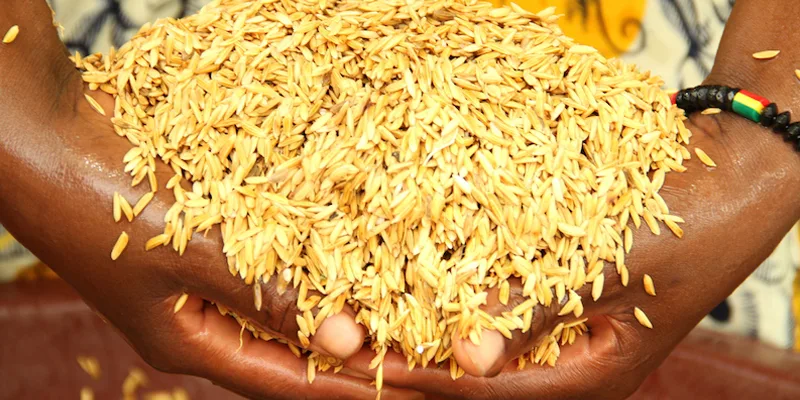
Parboiling is a process that involves passing paddy rice (also called unhulled rice) through hot water after harvest, in order to reduce the breakage rate during milling and improve grain quality.
The milling process
Milling brown rice essentially involves removing the bran through pearling. Calcium carbonate (3.3g/kg) is added to the brown rice. An abrasive helps remove the bran. This can be removed in a milling machine. This is the stage where rice breakage occurs. In the pearling chamber, the vast majority of the bran is removed mainly through friction between the grains themselves (although a small amount is also removed through friction between the grains and the steel screen surrounding the chamber). After milling, the bran is blown away by a suction fan. The milled rice is then polished (optional).
Polishing
The polisher consists of a rotating vertical cylinder to which leather straps are attached. The milled rice passes through the bottom, between the rotating cylinder and the cable surrounding the screen.
An additional amount of bran is removed by the polisher. After polishing, whole grains are separated from broken grains using separator disks or screening.
Some rice is treated with a mixture of water, glucose, and talc (Mg, Si) to make it shinier.
Milling products
- husks 20%
- bran 8-9%
- polish 1-2%
- Rice kernels (milled and broken) 70%
General rule: do everything possible to minimize rice breakage. The amount of broken rice depends on:
- the experience of the people milling the rice;
- the rice cultivar;
- the milling process used.
ALSO SEE: Technical factsheet: how to succeed at growing rice
Parboiled rice
Parboiling is the process of heating paddy rice in water and drying it after milling. Most of the vitamins and minerals in rice are concentrated in the outer layers of the grain. Parboiling helps transfer these nutrients from these outer layers into the endosperm layers.
Parboiling consists of three steps:
- Steeping: done at around 60 degrees C;
- Steaming: after steeping, excess water is removed and the paddy is steam-heated to gelatinize the starch and sterilize the rice.
During steeping, water-soluble vitamins and minerals are leached out or pumped into the inner endosperm. Gelatinization of the starch locks these compounds into the endosperm.
- Drying: rapid drying to a moisture content of 18-20%, followed by slow drying (to prevent cracking and fissuring) down to 12%
Advantages and disadvantages of parboiling
Advantages
- higher whole-grain yield (the kernel is more resistant to breakage);
- more resistant to insects;
- more nutritious (particularly in vitamin B and minerals);
- parboiling strengthens the attachment of the germ and aleurone layer to the starchy endosperm and prevents the germ from separating during husking (hulling);
- most of the lipids are extracted along with the bran (containing the germ) and polished away.
Disadvantages
- dark color;
- very susceptible to oxidative rancidity
Solvent extractive rice milling
This involves coating brown rice with hot rice oil. It softens the bran layers, making them easier to remove. The treated brown rice is then fed into the milling machine with a miscella (a mixture of rice oil and hexane), rinsed with running water, and dried. The milled rice is then put through dissolving. The bran is separated from the miscella by centrifugation and also dissolved.
The three main products from this process are:
- milled rice;
- bran;
- oil.
The milled rice comes out white and has half the usual oil content of milled rice.
Rice enrichment
Polished rice is deficient in vitamin B. Thiamine (B1) deficiency in the diet causes beriberi.
- Powdered nutrients added to rice are often washed off by consumers;
- Parboiling is one method of enriching rice;
- Another method involves producing coated rice;
- Water-soluble thiamine derivatives can be added to rice;
- Another approach involves producing rice kernels from a cereal flour dough containing fortifying nutrients.
Rice husks
Analysis of rice husks shows they are rich in ash (about 20%), and contain small amounts of protein (about 3%), fat (about 2%), and a small amount of vitamins. The common use for rice husks is mixing them with rice bran for animal feed.
Glossary: Hull: husk
Bran: bran
Milling: milling
Flour dough: cereal flour paste
Husks can also be used as bedding, as fertilizer, or as mulch. They can also be used as fuel.
Rice bran and polish
These have good nutritional composition. Bran is an excellent source of B vitamins (thiamine, riboflavin, niacin, and pyridoxine) and vitamin E. However, bran has poor storage stability:
- If bran is stored without deactivating the lipase enzyme, the fat it contains will quickly hydrolyze and oxidize, causing rancidity and off-flavors;
- If bran is damp, it becomes an excellent growth medium for microflora, which can produce toxic agents. Rice bran is a source of oil, so it can be processed to extract oil from it.
Rice quality
Rice quality is defined as its ability to produce whole grains after milling. Cooked rice texture: in the US and the EEC, cooked rice should hold its shape. In Asia, cooked rice should be moist and sticky.
Rice aging
This refers to a series of biochemical changes that occur in the dry rice kernel as a result of storage time. Freshly milled paddy rice has a pasty texture after cooking. Long-term storage makes rice less pasty. Extending the storage time between milling and cooking reduces stickiness, dries out the surface, and firms up the texture of cooked kernels.
Quick-cooking rice
Milled rice typically requires 20-35 minutes of cooking. This relatively long cooking time is due to the slow rate at which water diffuses through the kernel. This explains the translucent appearance of rice grains and their tight packing, leaving no air pockets or other channels through which water could penetrate the kernels.
Rice cooking can be sped up by:
- Rapidly heating dry rice (10% moisture), which causes internal cracking;
- Pre-cooking to about 60%
In general, any process that opens up the kernels and lets water penetrate reduces cooking time.
Would you like to invest in agriculture? Don't hesitate to contact us. We offer support services to help you carry out your agricultural projects.

Comments (0)
No comments yet. Share your experience or ask your question.